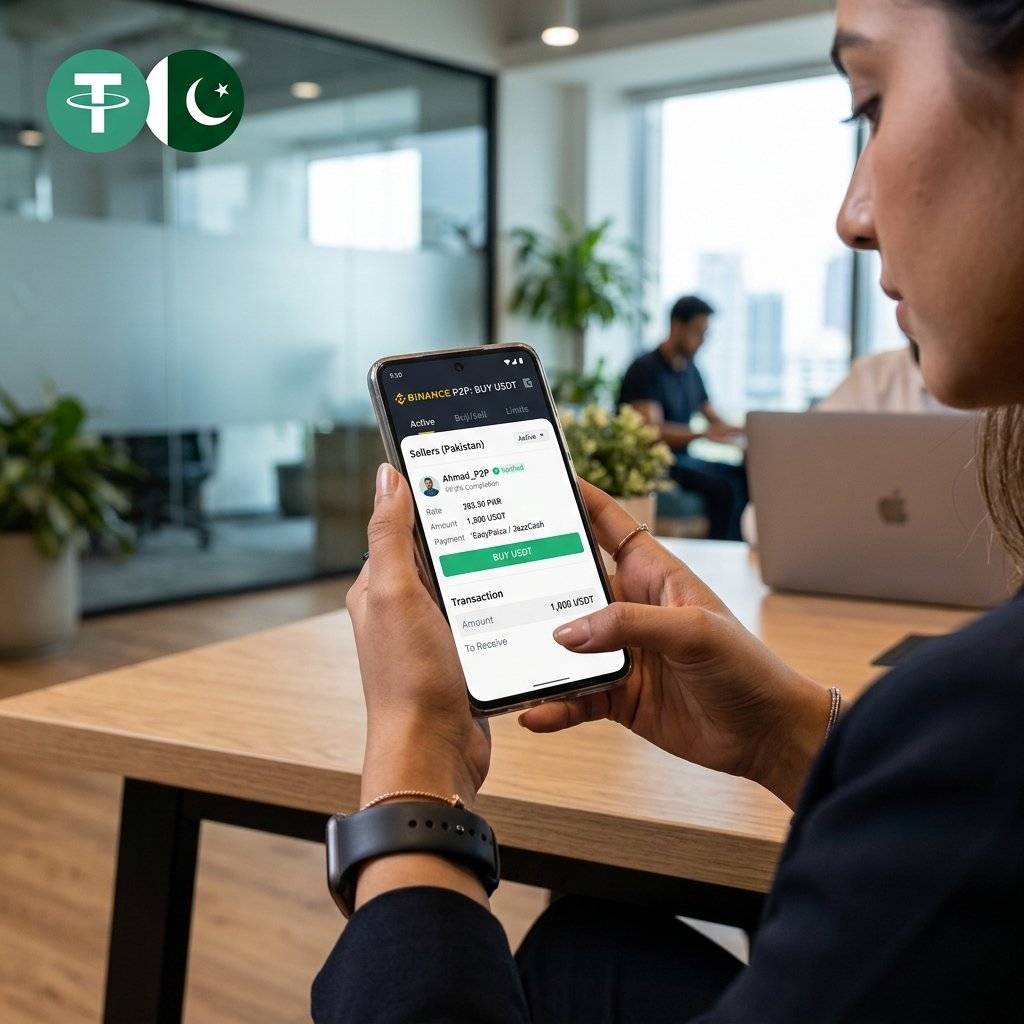
Peer-to-Peer (P2P) trading remains the predominant gateway for Pakistani individuals to buy and sell USDT, stablecoins, and cryptocurrencies. However, rising cases of bank accounts being temporarily frozen due to suspicious third-party fund trails have made strict security hygiene essential for every trader in 2026.
The most common reason bank accounts face freezing notices from law enforcement and compliance wings is the receipt of disputed or third-party funds. If a scammer uses stolen bank credentials to buy crypto from you, the victim's police report causes the entire chain of recipient bank accounts to be flagged. To safeguard against this, sellers must strictly enforce that the bank account name matches the KYC-verified name on the exchange without exception.
Additionally, users must never write crypto-related terms in transaction remarks (use generic references like 'services' or leave blank), keep communications strictly within the platform's escrow chat, and use separate digital wallet accounts like SadaPay or NayaPay for routine P2P transfers while preserving primary family savings in dedicated commercial banking institutions.
In recent years, Pakistan has emerged as one of the fastest-growing frontier markets for decentralized digital finance and freelance cross-border settlements. Peer-to-peer (P2P) stablecoin platforms and digital asset channels offer remote tech professionals a high-speed, cost-effective avenue to receive international payments without the delays and documentation hurdles often associated with legacy correspondent banking networks.
However, market participants must navigate complex regulatory dynamics and market liquidity variations. Financial authorities and central banking regulators maintain a vigilant eye on capital inflows, consumer safeguards, and anti-money laundering frameworks. Experts advise users to exercise rigorous diligence, rely on verified escrow systems, and adhere to tax compliance requirements when liquidating digital assets into local fiat currency.