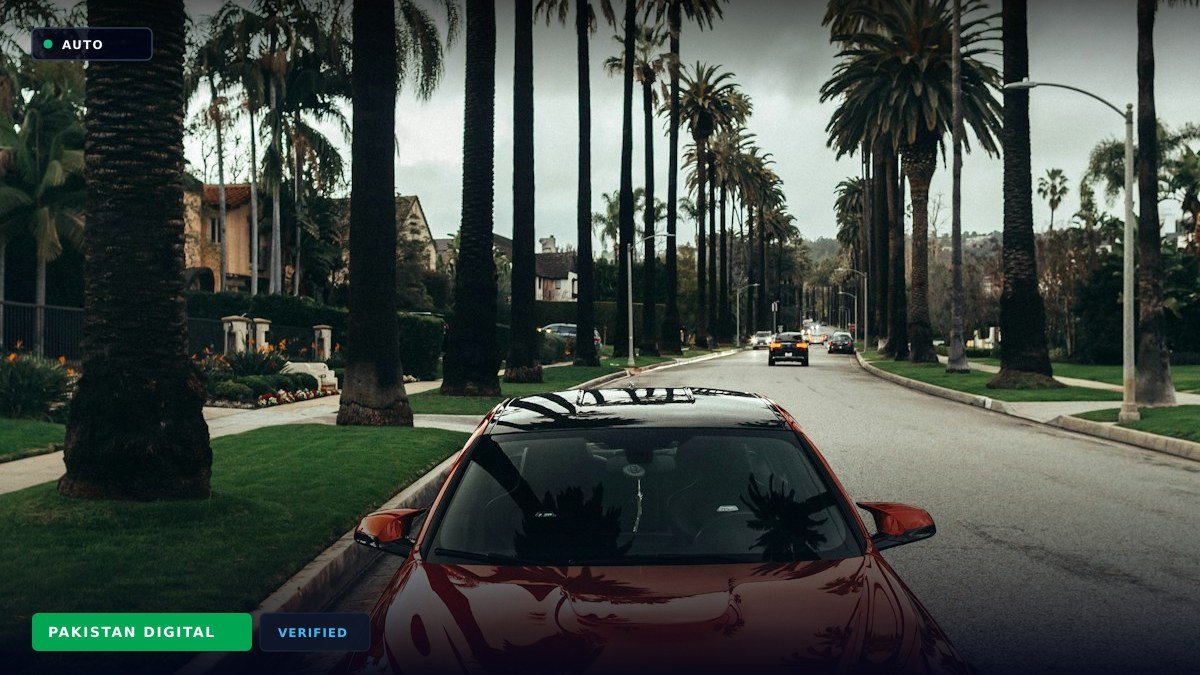
Pakistan’s overall car sales jumped sharply in October 2026, but Toyota and Honda moved in the opposite direction as both automakers recorded year-on-year declines.
According to the latest Pakistan Automotive Manufacturers Association (PAMA) data, car sales reached 24,418 units in October, up 41% year-on-year (YoY) and 62% month-on-month (MoM), Topline Securities has reported.
Toyota Sales Fall 10% Indus Motor Company (INDU), which manufactures Toyota vehicles in Pakistan, sold 4,078 units during October, down 10% YoY and 2% MoM.
Combined sales of the Toyota Corolla, Yaris and Corolla Cross fell 7% YoY to 3,496 units, while Fortuner and IMV sales declined 27% YoY to 577 units.
Honda Records Bigger Decline Honda Atlas Cars (HCAR) reported sales of 2,101 units, representing a 19% YoY decline and a 1% MoM decrease. Honda City and Civic sales stood at 1,933 units, down 14% YoY and 4% MoM.
Meanwhile, combined BR-V and HR-V sales fell sharply by 53% YoY to 168 units. The declines came despite strong growth in the wider auto market, which Topline said was primarily driven by Pakistan Suzuki Motor Company (PSMC).
Suzuki sold 15,921 vehicles during October, up 115% YoY and nearly 3. 3 times MoM. The Alto and Swift also posted record monthly sales of 11,363 units and 3,214 units, respectively.
The automotive and urban mobility sector across Pakistan is undergoing progressive modernization driven by technological advancements, safety regulations, and environmental standards.
Transport authorities and industrial planning divisions are focusing on harmonizing local manufacturing standards with global benchmarks, such as international safety and emission protocols.
These structural shifts are engineered to enhance vehicle occupant safety, promote fuel conservation, and introduce cost-effective transit solutions tailored to local driving conditions.
Urban planners and mobility specialists emphasize that the integration of environmentally sustainable fleets, electric utility vehicles, and smart traffic management systems is essential for reducing urban congestion and airborne particulate emissions.
Provincial transit authorities are modernizing civic infrastructure with automated surveillance, computerized inspection centers, and dedicated transit corridors to enhance road efficiency and passenger safety.
Motorists, commercial fleet operators, and daily commuters are encouraged to adhere strictly to notified vehicular fitness guidelines, certified maintenance schedules, and official road safety laws.
Citizens can stay updated on transit advisories, route regulations, and vehicle documentation procedures by checking verified departmental web portals and provincial transport authority bulletins.