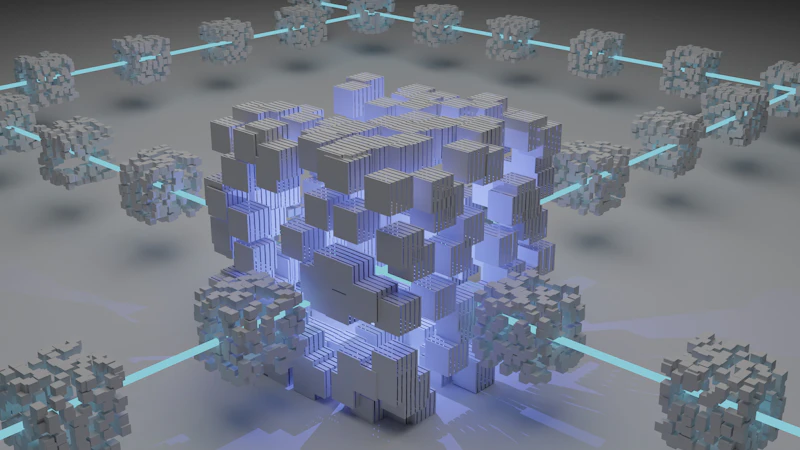
The prohibitive gas fees that once hindered micro-transactions in Web3 have been largely eradicated by the ascent of Ethereum Layer-2 solutions (like Arbitrum, Optimism, and Base) and high-throughput chains like Solana. In 2026, Pakistani tech professionals, freelance digital artists, and smart contract engineers are capitalizing on these rapid scaling developments.
For Pakistani freelancers working with foreign clients in gaming, decentralized finance, and software development, receiving compensation on Layer-2 networks means near-zero processing fees and instant finality. This completely bypasses the exorbitant 5% to 8% intermediary cuts charged by legacy wire networks.
Universities and developer communities in Lahore, Karachi, and Islamabad are actively holding hackathons focused on Rust programming for Solana and Solidity for Layer-2 rollups, positioning Pakistani talent as a competitive global force in the burgeoning Web3 economy.
From a macroeconomic perspective, fluctuations in energy tariffs create immediate ripple effects across Pakistan's supply chains. Transportation overheads, agricultural tubewell operations, and manufacturing power costs are intricately bound to fuel price adjustments. Market economists point out that every revision in domestic petroleum prices directly impacts consumer price indices (CPI), dictating household purchasing power and determining logistics budgets for commercial enterprises nationwide.
On the international stage, import parity pricing formulas remain heavily influenced by global crude benchmarks, Middle Eastern geopolitical developments, and shipping freight indices. The Oil and Gas Regulatory Authority (OGRA) along with the Ministry of Energy regularly assess landing costs and currency conversion margins to maintain supply equilibrium. Industry stakeholders emphasize that maintaining strategic fuel reserves is essential to cushion the national economy from sudden international commodity spikes.