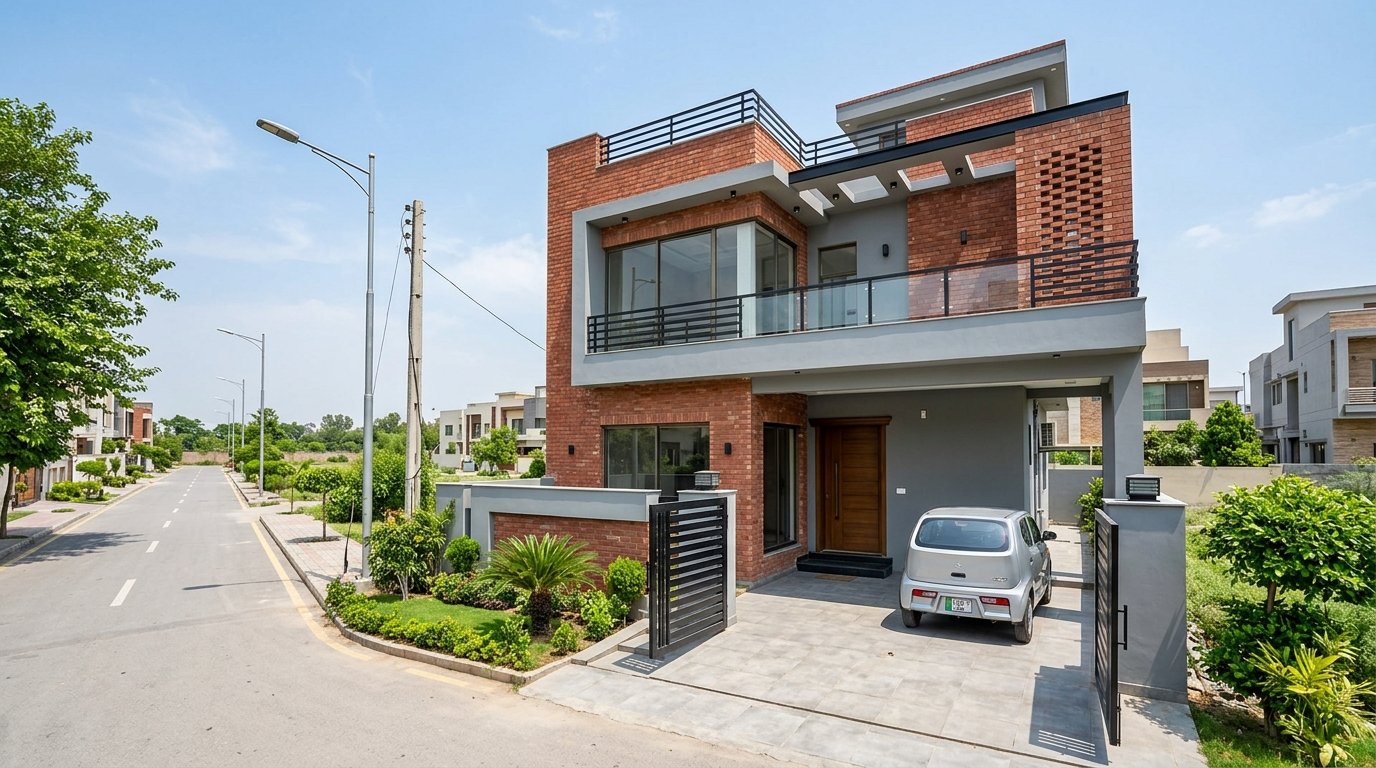
The Government of Sindh, supported by international development institutions including the World Bank, has completed the construction of over 500,000 climate-resilient residential homes under the Sindh Peoples Housing for Flood Affectees (SPHF) initiative.
The historic program, widely recognized as the largest humanitarian housing reconstruction effort globally, provides vulnerable families with grants of up to Rs. 350,000 disbursed directly into digital bank accounts linked to biometric CNICs. Each home is constructed using reinforced foundations and elevated plinths capable of withstanding severe future monsoon flooding.
Crucially, legal land ownership titles are transferred directly into the names of female household heads, securing permanent shelter rights and transforming the social standing of marginalized rural women across interior Sindh.
Economic analysts point out that institutional consistency, transparent fiscal policymaking, and proactive communication are pivotal to sustaining long-term investor confidence. Balancing domestic consumer welfare with macro-economic stability requires coordinated efforts between federal ministries, provincial administrations, and regulatory bodies.
Furthermore, the broader socio-economic landscape is closely linked with foreign trade indicators, currency exchange stability, and private sector investments. Industry chambers and business consortiums stress the importance of ease-of-doing-business initiatives, targeted export incentives, and digital transformation to stimulate job creation across urban and rural economic centers.