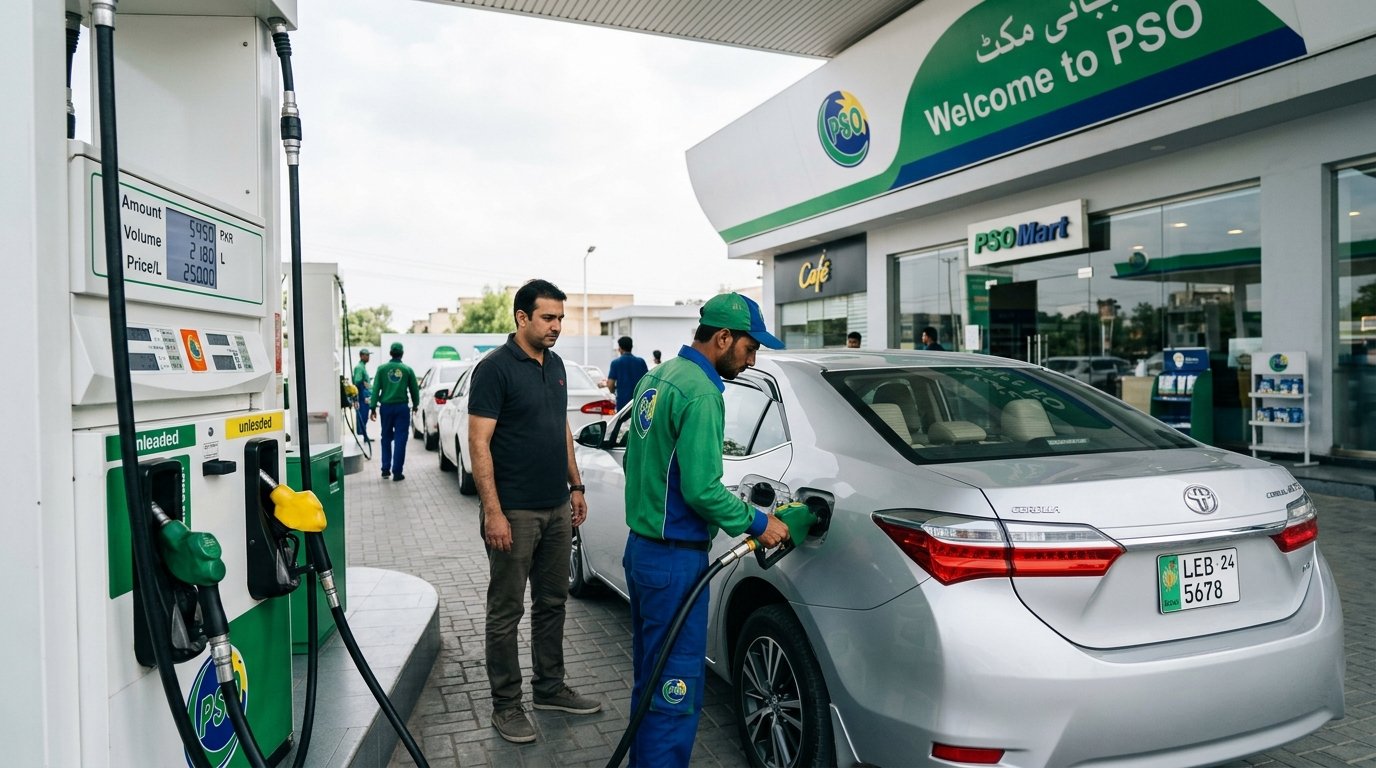
The Government of Pakistan, in collaboration with provincial authorities, has introduced the highly anticipated Petrol Relief Subsidy Scheme for 2026. The targeted welfare program aims to cushion lower-income citizens and daily wage earners from fluctuating international crude prices and transportation costs.
Under this initiative, registered owners of motorcycles up to 125cc and auto-rickshaws with verified CNICs are allocated a subsidized fuel quota of up to 30 liters per month at a discount of Rs. 50 per liter. The scheme leverages the National Socio-Economic Registry (NSER) and vehicle registration databases (Excise & Taxation) to ensure transparent beneficiary vetting.
To avail of the relief, citizens can text their CNIC number to the designated shortcode. Once verified, eligible motorists receive an encrypted monthly digital voucher or SMS OTP redeemable at designated state and private oil marketing company (OMC) retail fuel stations nationwide.
From a macroeconomic perspective, fluctuations in energy tariffs create immediate ripple effects across Pakistan's supply chains. Transportation overheads, agricultural tubewell operations, and manufacturing power costs are intricately bound to fuel price adjustments. Market economists point out that every revision in domestic petroleum prices directly impacts consumer price indices (CPI), dictating household purchasing power and determining logistics budgets for commercial enterprises nationwide.
On the international stage, import parity pricing formulas remain heavily influenced by global crude benchmarks, Middle Eastern geopolitical developments, and shipping freight indices. The Oil and Gas Regulatory Authority (OGRA) along with the Ministry of Energy regularly assess landing costs and currency conversion margins to maintain supply equilibrium. Industry stakeholders emphasize that maintaining strategic fuel reserves is essential to cushion the national economy from sudden international commodity spikes.