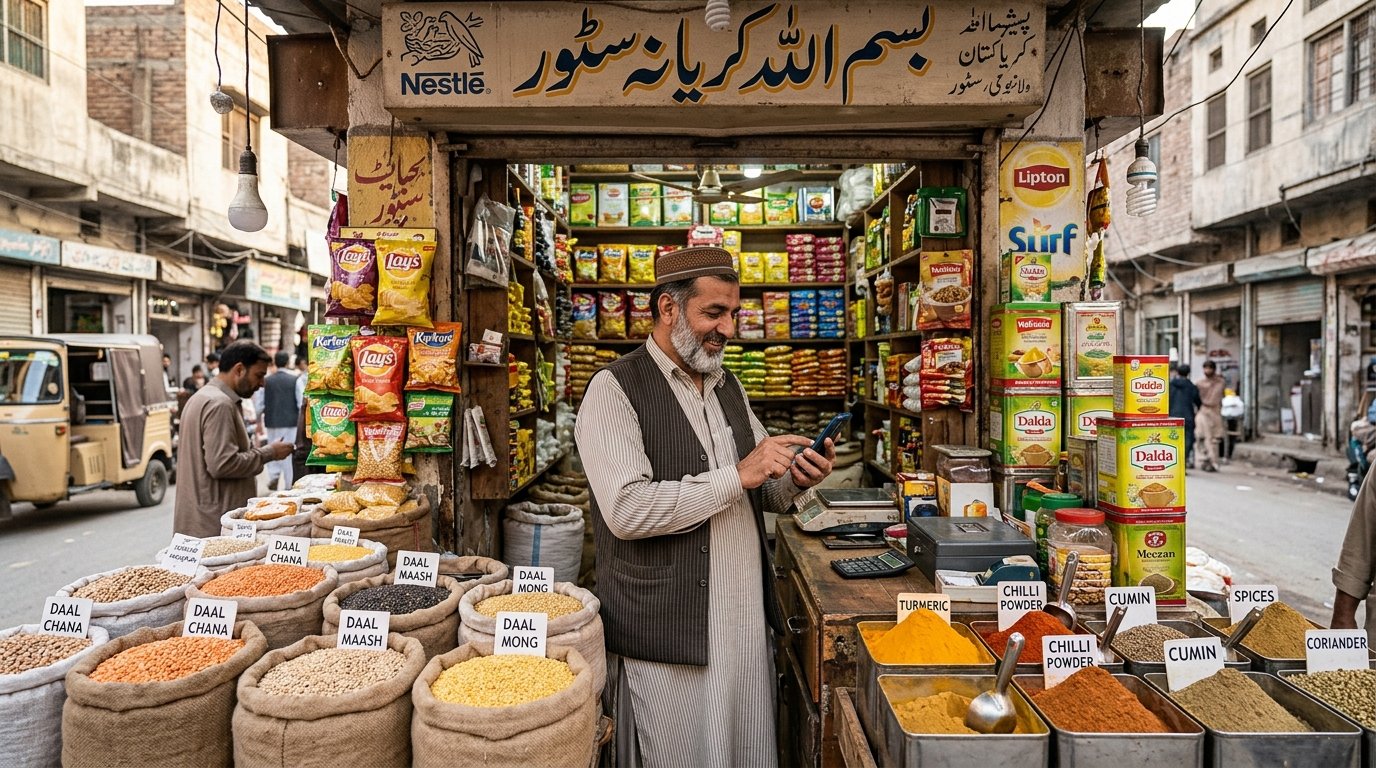
Pakistan's multi-billion dollar traditional retail grocery trade is witnessing an unprecedented efficiency shift led by domestic B2B e-commerce pioneers Bazaar Technologies and Retailo. By digitizing the fragmented supply chain connecting consumer goods manufacturers with neighborhood mom-and-pop stores, these platforms have modernized informal commerce across major urban hubs.
Shopkeepers who historically endured hours traveling to congested wholesale grain markets can now order thousands of SKUs via mobile smartphone apps with guaranteed next-morning delivery. Crucially, digital bookkeeping and inventory tracking tools have brought hundreds of thousands of micro-merchants into the documented economic perimeter.
From a macroeconomic perspective, fluctuations in energy tariffs create immediate ripple effects across Pakistan's supply chains. Transportation overheads, agricultural tubewell operations, and manufacturing power costs are intricately bound to fuel price adjustments. Market economists point out that every revision in domestic petroleum prices directly impacts consumer price indices (CPI), dictating household purchasing power and determining logistics budgets for commercial enterprises nationwide.
On the international stage, import parity pricing formulas remain heavily influenced by global crude benchmarks, Middle Eastern geopolitical developments, and shipping freight indices. The Oil and Gas Regulatory Authority (OGRA) along with the Ministry of Energy regularly assess landing costs and currency conversion margins to maintain supply equilibrium. Industry stakeholders emphasize that maintaining strategic fuel reserves is essential to cushion the national economy from sudden international commodity spikes.
Looking forward, policy analysts recommend accelerating domestic energy reforms, including local refinery technological modernization, deregulated distribution frameworks, and expanded investments in electric mobility infrastructure. As international lending benchmarks and fiscal deficit parameters guide state revenue goals, finding a sustainable equilibrium between citizen price stability and macroeconomic fiscal discipline remains a central focus for economic planners.