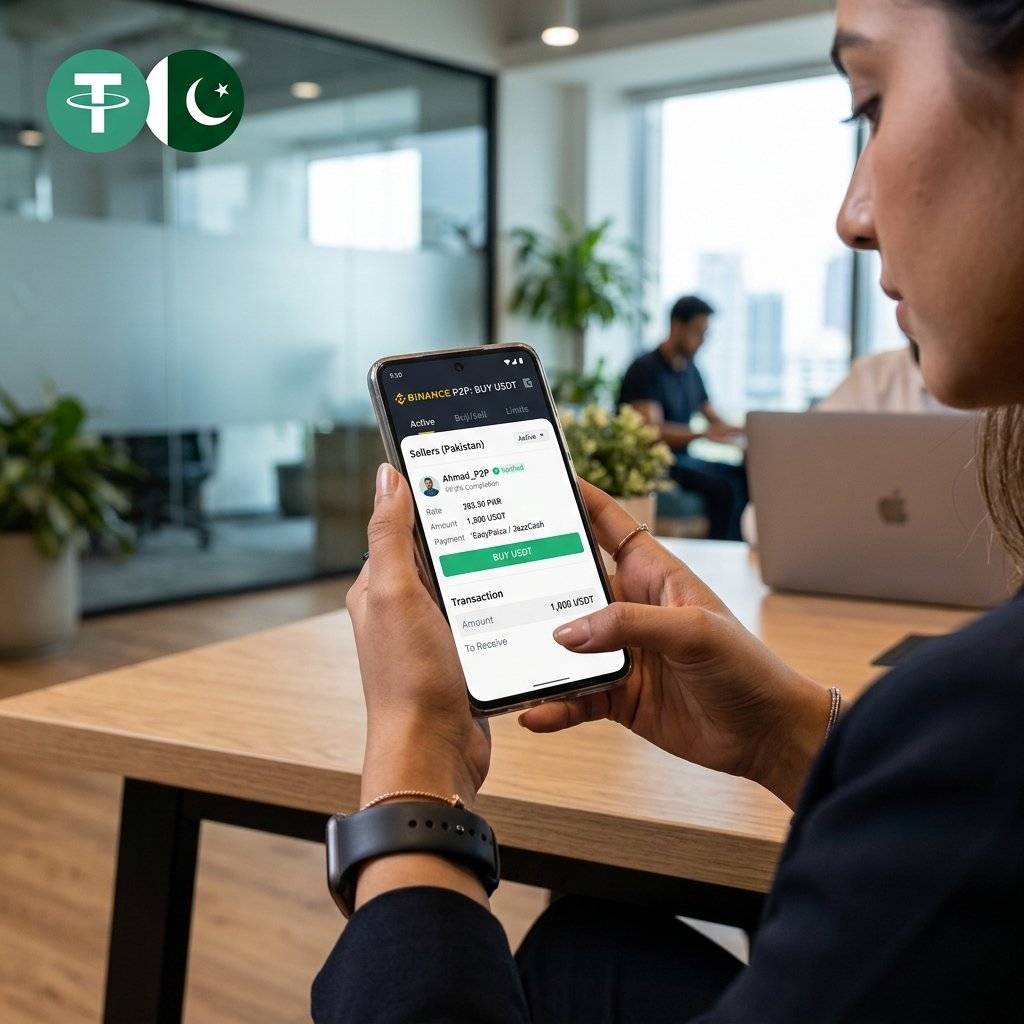
The digital dollar (USDT) exchange rate against the Pakistani Rupee (PKR) has settled at Rs. 281.11 in the local peer-to-peer (P2P) market. This price shows a +0.1% (strengthening) movement, mirroring the overall fluctuations in the interbank US Dollar exchange rate and local demand for stable digital assets. P2P platforms have reported active trading volumes as participants adjust their holdings based on recent market developments. Trading activities remain highly concentrated in urban tech clusters, where digital-first professionals use stablecoins for daily financial settlements. This creates a highly fluid micro-market inside the broader national economy, reacting faster to exchange rate trends than traditional brick-and-mortar money exchange outlets. The daily volatility is closely monitored by digital asset managers and freelance consortiums across major technological hubs. Other stablecoins like USDC and DAI are also traded, but USDT retains a massive 95% market share. Freelancers in Karachi and Lahore are driving the bulk of these transactions.
USDT, a dollar-pegged stablecoin, is widely used by freelancers, remote IT professionals, and digital asset traders in Pakistan to receive international payments and preserve capital against inflation. P2P platforms like Binance see significant trading volumes daily from major cities including Karachi, Lahore, Faisalabad, and Rawalpindi. The USDT rate typically carries a premium of 3 to 5 rupees over the official bank dollar rate due to liquidity constraints and high demand. Freelancers favor stablecoins because traditional wire transfers can take several business days and often incur hefty conversion fees, complex documentation requests, and administrative delays through local intermediary banks. This speed of liquidation and low transaction costs has made cryptocurrency P2P networks an indispensable financial highway for the country's expanding digital services sector, enabling self-employed youth to secure stable income streams without institutional bottlenecks. P2P trade volumes have reached new heights as remote work becomes more popular in Pakistan.
Financial experts point out that while crypto assets remain under a cautious regulatory preview by the State Bank of Pakistan (SBP), stablecoins continue to gain traction as a practical transactional tool. The ease of cross-border transfers and near-instant settlement makes USDT an attractive alternative for the export of software services. However, users are reminded that investing in volatile cryptocurrencies carries inherent risks, and stablecoins are preferred primarily for transactional stability. The State Bank has consistently issued cautionary advisories regarding digital currencies, reminding public users that virtual currencies are not legally recognized legal tender in the country. Therefore, any transactional disputes, user errors, or compliance freezes must be resolved outside the standard banking judiciary frameworks, placing the entire onus of safety and verification on the individual market participants, highlighting the need for technological literacy. Furthermore, the Federal Board of Revenue (FBR) is monitoring bank account transactions associated with high-volume P2P traders to enforce compliance.
The difference between the interbank USD rate and the P2P USDT rate, commonly known as the P2P premium, fluctuates based on the availability of cash liquidity and digital assets in the local market. During periods of high demand, the premium can expand, making digital transactions slightly more expensive for local buyers. Conversely, when large volumes of export proceeds are liquidated, the rate aligns more closely with the open market cash dollar rates. Traders must balance bank deposit limits, transaction histories, and partner ratings on P2P platforms to execute trades securely and minimize the risk of financial holds or compliance freezes. Proper research into the counterparty's track record and utilizing secure payment methods like JazzCash, Easypaisa, or direct bank transfer is vital. It is important to note that mobile wallets have daily limits, which often require traders to split larger transactions into multiple smaller segments. Many P2P platforms have built-in dispute resolution and escrow mechanisms, which act as a security buffer. Additionally, users are highly advised to never release assets before physically checking their actual bank accounts, as fraudulent SMS notifications are commonly used by scammers to trick sellers into releasing digital tokens prematurely. Checking bank statements via official mobile apps is the only foolproof verification method.
Another key factor driving USDT adoption is the relative ease of managing digital wallets compared to maintaining official foreign currency accounts (FE-25) in Pakistani banks, which are subject to stringent tax audits, paperwork requirements, and withdrawal regulations. Freelancers use decentralized wallets to store their earnings and liquidate only the required amounts to meet local monthly expenses, thereby retaining a portion of their income in USD value. This behavioral trend has created a secondary liquidity loop within the informal economy, bypassing traditional banking channels and creating challenges for central authorities monitoring remittance inflows. It also indicates a growing preference for decentralized financial tools among younger demographics seeking autonomy, speed, and efficiency in their global commercial operations, creating a paradigm shift in financial habits. Many software houses are now exploring stablecoin payments for offshore contractors.
As the digital economy grows and international payment options remain limited in Pakistan, the demand for stable digital assets like USDT is expected to rise further. Industry experts advocate for a structured regulatory framework that protects consumers while enabling digital innovation and export earnings. Until formal policies are enacted, traders are advised to exercise caution, use verified P2P merchants, and stay updated on local regulatory advisories. Establishing designated regulatory sandboxes could bridge the gap between compliance requirements and technological growth, positioning Pakistan to capture more of its offshore freelance potential. Proactive collaboration between global crypto exchanges and local regulatory bodies will be crucial to reduce illicit activities while supporting technological enablement and economic progress, paving the way for digital asset integration. The introduction of central bank digital currencies (CBDCs) in other regions may also shape local policy directions.