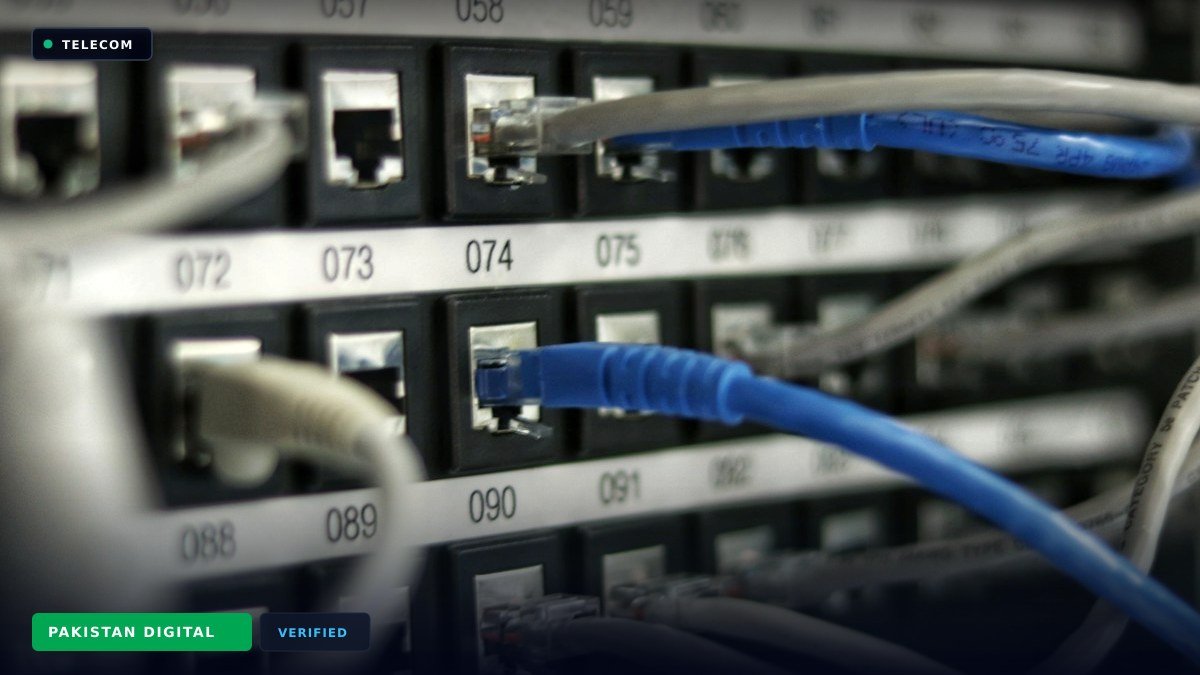
Latest validated Telenor prepaid packages including Weekly EasyCard (963), Monthly Ultra (34545), and Free WhatsApp (311) on November 8, 2026.
The telecommunications sector in Pakistan represents a primary pillar of national connectivity, socio-economic facilitation, and digital inclusion across urban and rural landscapes.
Cellular mobile operators work in close coordination with the Pakistan Telecommunication Authority (PTA) to optimize spectrum allocations, expand 4G and 5G fiber backhaul infrastructure, and deliver resilient digital communication services.
Regulatory directives consistently emphasize consumer transparency, tariff clarity, and service quality benchmarks to protect user interests nationwide.
Consumer advocacy groups and telecom industry experts highlight that accessible digital services and transparent pricing models are pivotal for driving e-commerce, digital banking, and remote work opportunities across the country.
Operators are actively investing in modernized network architecture and energy-efficient base transceiver stations to guarantee network uptime, high data throughput, and equitable digital access for students, professionals, and household users.
Subscribers are advised to utilize verified self-service portals, official mobile apps, and authorized USSD verification codes to activate packages, manage balance protections, and review usage analytics.
Consumers can lodge inquiries or report billing concerns directly through official telecom helplines or PTA's dedicated consumer redressal systems to guarantee swift and authenticated support.
Institutional heads and public sector planners emphasize that sustainable implementation requires consistent monitoring, computerized tracking, and inter-departmental synergy.
Regional administrative offices have been instructed to establish dedicated focal desks to ensure seamless operational continuity, address public feedback, and mitigate potential execution challenges promptly.
This structured approach aims to foster institutional excellence and accountability across all operational milestones.
Civil society representatives, independent analysts, and community stakeholders continue to monitor these developments to verify that administrative commitments align with measurable ground-level outcomes.
Citizens are encouraged to maintain active civic awareness, follow accredited institutional updates, and consult certified departmental channels for authenticated guidelines, legal circulars, and official support.
Looking ahead, technical experts and departmental directors anticipate that ongoing structural realignments will generate positive compounding dividends over subsequent fiscal quarters.
Institutional stakeholders emphasize that maintaining proactive engagement between public regulators, industrial bodies, and civic consumer groups remains essential for achieving sustainable growth metrics.
The overarching priority remains centered on institutional efficiency, citizen convenience, and transparent service delivery across all administrative touchpoints.