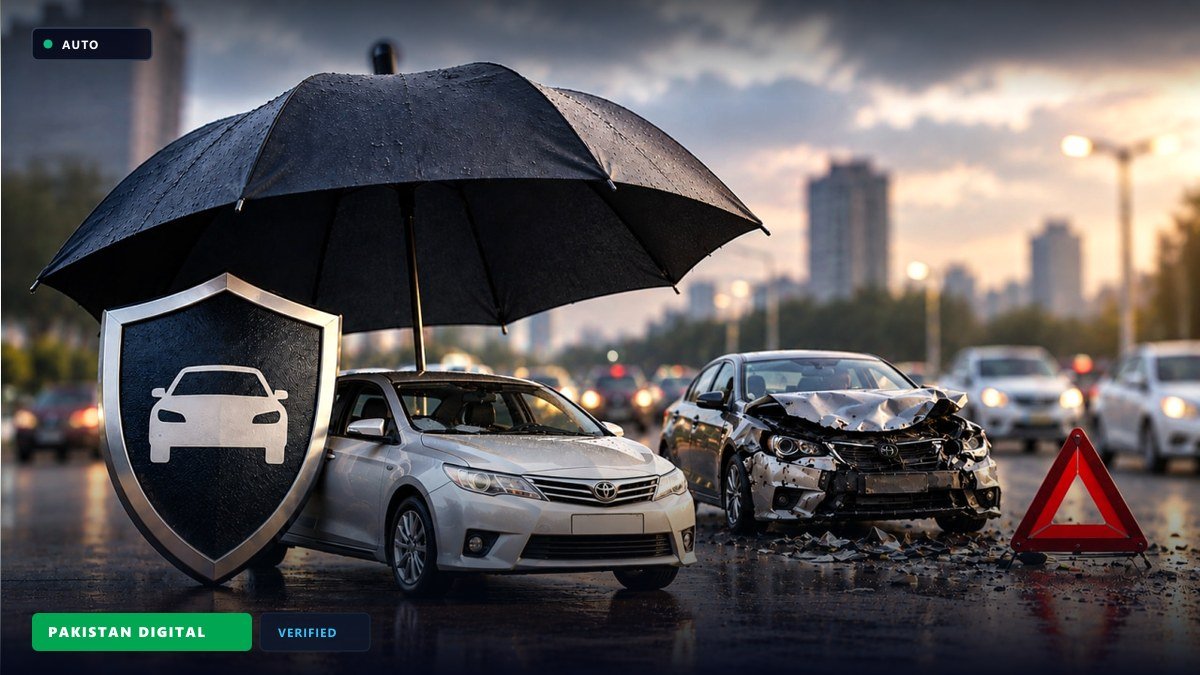
The number of third party motor insurance policies in Sindh has increased by approximately 3,940 percent in eight months, reaching 452,515, according to the Securities and Exchange Commission of Pakistan (SECP).
The increase follows the Sindh government's decision in March to make third party motor insurance mandatory for registered vehicles. The policy was introduced with support from the SECP.
Digital System Tracks Insurance Policies The SECP said it established a digital repository to enable online verification of third party motor insurance policies.
The system is integrated with the Sindh government's vehicle registration and taxation systems. Third party motor insurance covers injuries, deaths and property damage caused to other people in an accident.
However, it does not cover damage to the policyholder's own vehicle. Despite the increase in insurance coverage, the SECP said there was considerable room for further growth, as Sindh has approximately 2. 6 million registered vehicles.
SECP Chairman Dr. Kabir Ahmed Sidhu said the regulator was working with other provincial governments to introduce mandatory third party motor insurance in their jurisdictions and expand the system across Pakistan.
The automotive and urban mobility sector across Pakistan is undergoing progressive modernization driven by technological advancements, safety regulations, and environmental standards.
Transport authorities and industrial planning divisions are focusing on harmonizing local manufacturing standards with global benchmarks, such as international safety and emission protocols.
These structural shifts are engineered to enhance vehicle occupant safety, promote fuel conservation, and introduce cost-effective transit solutions tailored to local driving conditions.
Urban planners and mobility specialists emphasize that the integration of environmentally sustainable fleets, electric utility vehicles, and smart traffic management systems is essential for reducing urban congestion and airborne particulate emissions.
Provincial transit authorities are modernizing civic infrastructure with automated surveillance, computerized inspection centers, and dedicated transit corridors to enhance road efficiency and passenger safety.
Motorists, commercial fleet operators, and daily commuters are encouraged to adhere strictly to notified vehicular fitness guidelines, certified maintenance schedules, and official road safety laws.
Citizens can stay updated on transit advisories, route regulations, and vehicle documentation procedures by checking verified departmental web portals and provincial transport authority bulletins.