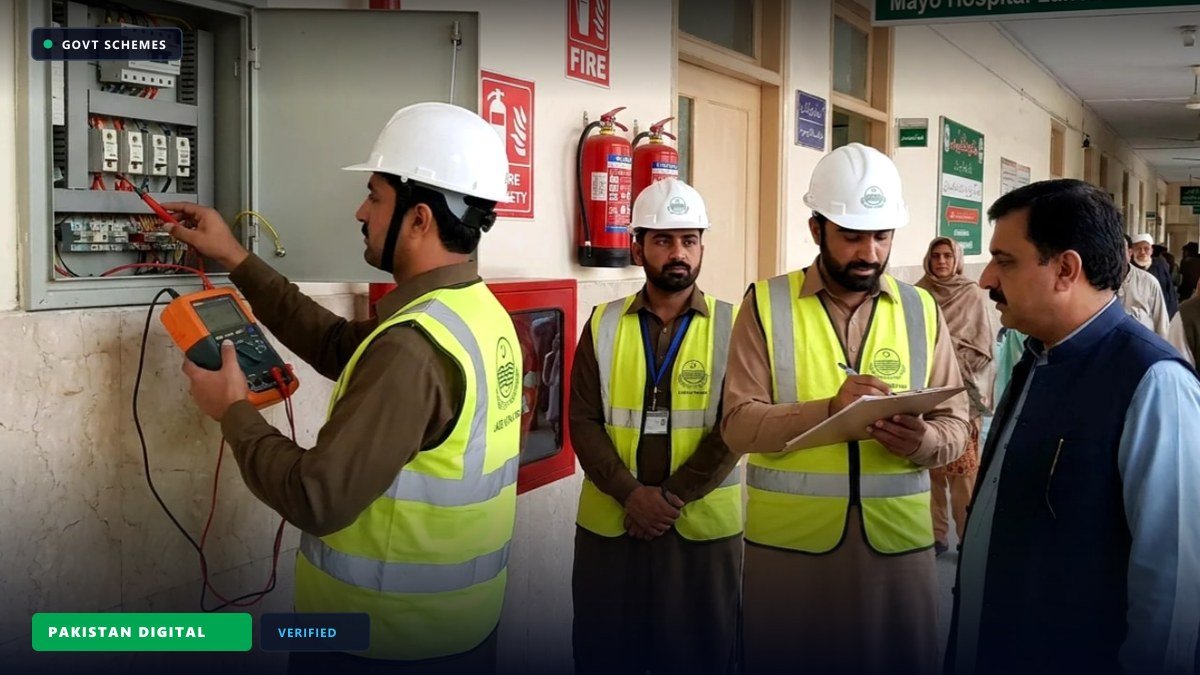
The Punjab government is planning a major overhaul of the province's electrical safety regime, proposing mandatory annual inspections of more than 73,000 industrial, commercial, and public-building electricity connections, stricter licensing requirements for electrical contractors, and a digital verification system to prevent safety certificates from being issued without proper testing.
The proposed Punjab Electrical Safety (Periodic Inspection and Licensing) Order, 2026, seeks to shift the existing system from a largely reactive approach towards preventive regulation, with a wider inspection net, improved technical standards and greater accountability for identifying and rectifying electrical hazards before they cause fires, injuries or loss of life.
Historically, developments of this nature carry extensive implications for Pakistan's domestic socioeconomic ecosystem. In recent months, economic planners, fiscal advisory councils, and domestic chambers of commerce have underscored the critical necessity of standardized operational protocols, institutional transparency, and accelerated digital coordination. The current initiative mirrors broader strategic priorities aimed at optimizing resource allocation, curbing systemic inefficiencies, and modernizing nationwide delivery mechanisms across provincial and federal domains.
Regulatory oversight remains a foundational pillar of this operational roadmap. Federal and provincial governing bodies, working in close collaboration with statutory oversight institutions, have emphasized that strict adherence to verified legal benchmarks will be vigilantly enforced. Economic and governance analysts point out that consistent administrative execution and unambiguous policy guidelines will significantly enhance investor confidence, mitigate market friction, and protect the foundational interests of citizens across urban and rural economic centers. Regulatory bodies have issued explicit advisories cautioning against arbitrary procedural deviations, ensuring that transparent governance metrics remain strictly intact throughout all phases of implementation.
From a commercial standpoint, business consortiums and trade bodies across Karachi, Lahore, Islamabad, and Faisalabad have welcomed the structured roadmap, emphasizing that predictable policymaking is pivotal for maintaining operational continuity. Supply chain operators, financial service providers, and local enterprise managers note that clear administrative parameters enable corporate leaders to forecast expenditure accurately, protect employment benchmarks, and contribute meaningfully to national fiscal stability amidst dynamic macroeconomic circumstances.
From a direct consumer perspective, this development provides actionable clarity and tangible structural improvements. End-users and commercial stakeholders are advised to consult designated official portals and accredited public channels for authentic updates, avoiding reliance on unverified social media speculation. Administrative customer service desks and regulatory complaint portals have been instructed to remain fully responsive to ensure transparent dispute resolution, rapid verification of entitlements, and seamless public accessibility.
Looking ahead, institutional analysts anticipate that the full ramifications of this policy milestone will unfold progressively over the coming quarters. Continued multi-agency coordination, empirical performance tracking, and timely infrastructural adjustments will be essential to sustain positive momentum. Pakistan Digital will maintain vigilant editorial monitoring over these proceedings, bringing factual, verified, and comprehensive investigative reports as subsequent phases take effect.