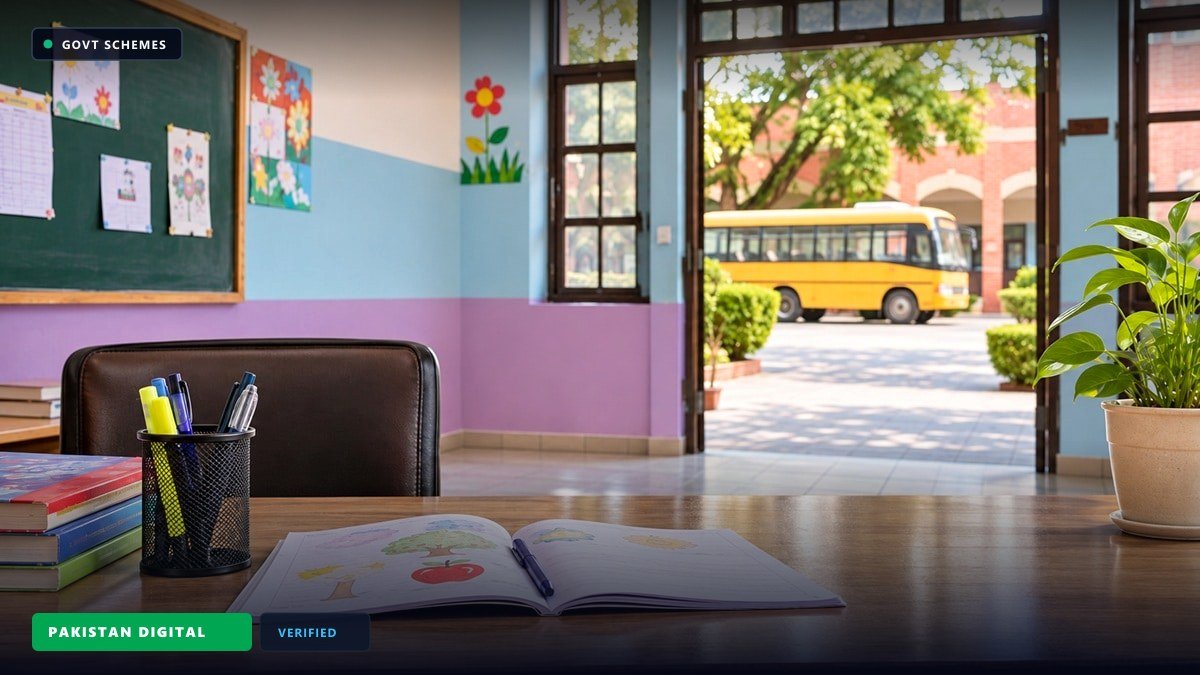
The Punjab School Education Department has issued new directives for public and private schools, restricting recreational trips and introducing measures to improve learning, hygiene, and school facilities.
Under the new instructions, schools will only be allowed to organize recreational trips within Lahore district or a 50-kilometer radius.
The department has also directed schools to introduce a daily English vocabulary activity during the zero period. Students will be taught one new English word each day and asked to use it in sentences to improve their language skills.
Schools have also been instructed to ensure the availability of face masks and hand sanitizers. In addition, school administrations have been directed to improve their premises through self-help initiatives.
Public schools have been specifically asked to make classroom walls more colorful and complete ongoing construction work as soon as possible.
The directives were issued during a meeting chaired by the secretary of the School Education Department, which was attended by chief executive officers (CEOs) from all districts.
Officials were instructed to ensure strict implementation of the measures, with the department warning that those responsible for negligence or failure to comply would face action. Visit EduNation to find scholarships from around the world.
Academic policymakers and educational leaders recognize that continuous curricular modernization and institutional reform are essential to preparing students for the evolving demands of a globalized knowledge economy.
Educational directorates and higher education boards are actively aligning examination methodologies with conceptual learning standards, digital learning management systems, and analytical competencies.
These educational initiatives aim to elevate academic excellence while ensuring equitable learning opportunities for students across all socio-economic backgrounds.
In addition to instructional updates, educational institutions are emphasizing the expansion of research facilities, merit-based scholarship programs, and teacher development seminars.
Close collaboration between academic councils, industry partners, and provincial education ministries ensures that institutional programs equip graduates with practical skills, technological literacy, and ethical leadership capabilities necessary for national development.
Students, parents, and academic administrators are advised to verify all notifications, examination dates, and syllabus guidelines through official board websites and certified academic portals.
Education authorities caution against unofficial digital circulars, urging stakeholders to rely strictly on accredited institutional circulars and authorized institutional helplines.