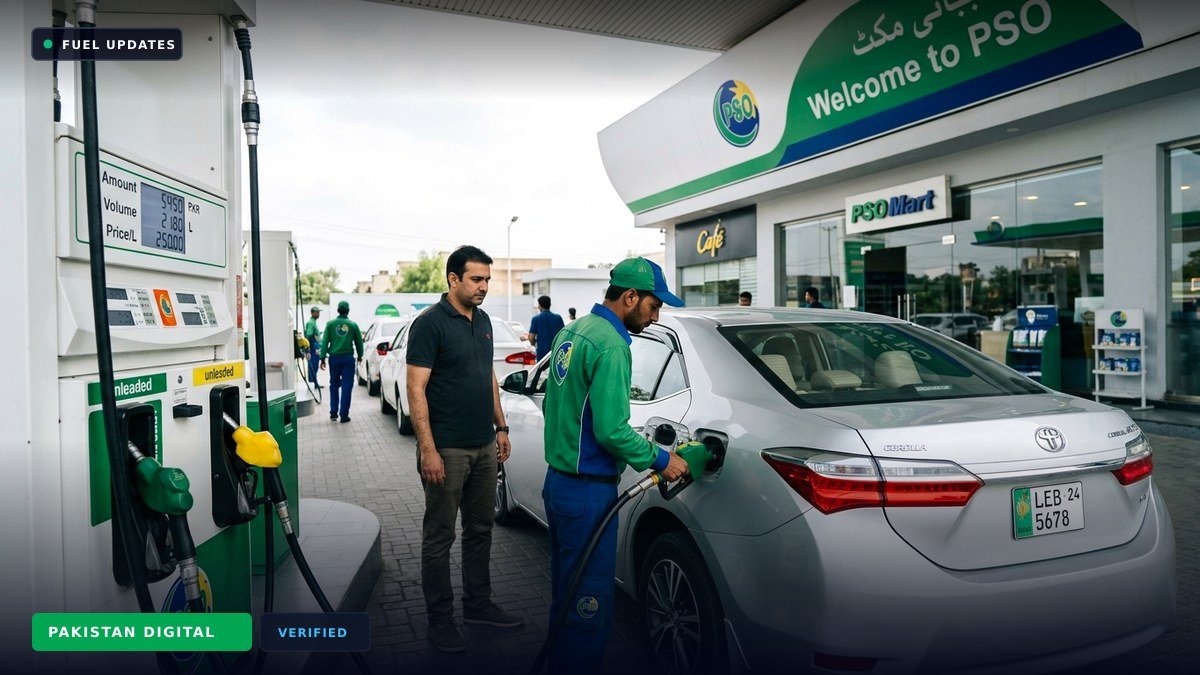
The Oil and Gas Regulatory Authority (OGRA) and the Ministry of Energy confirmed that official retail motor fuel rates in Pakistan stand fully synchronized for Premier Euro-5 Petrol and High-Speed Diesel (HSD) on November 9, 2026.
State-run Pakistan State Oil (PSO) alongside private oil marketing companies (OMCs) confirmed nationwide petroleum inventories are maintained at comfortable cushions.
From an economic and commercial perspective, this development reflects dynamic market adjustments and regulatory coordination across Pakistan's financial and trade landscape.
Economic authorities, corporate oversight agencies, and market regulators maintain dedicated monitoring to stabilize commodity metrics, support corporate governance, and sustain investor confidence.
Strategic alignment between public fiscal measures and private sector initiatives remains central to boosting domestic industrial productivity and foreign exchange stability.
Financial analysts and market observers point out that transparent trading practices, formalized accounting frameworks, and reliable supply chains are essential components of long-term economic resilience.
Institutional investors and enterprise leaders are focusing on operational efficiency, digital financial technologies, and export diversification to navigate shifting macroeconomic conditions and global market pressures.
Business enterprises, institutional traders, and general consumers are advised to consult official regulatory notifications, verified market benchmarks, and authorized financial disclosures before finalizing major commercial decisions.
Official gazettes, state regulatory web portals, and certified commodity exchange records provide authentic references for transparent and compliant transactions.
Institutional heads and public sector planners emphasize that sustainable implementation requires consistent monitoring, computerized tracking, and inter-departmental synergy.
Regional administrative offices have been instructed to establish dedicated focal desks to ensure seamless operational continuity, address public feedback, and mitigate potential execution challenges promptly.
This structured approach aims to foster institutional excellence and accountability across all operational milestones.
Civil society representatives, independent analysts, and community stakeholders continue to monitor these developments to verify that administrative commitments align with measurable ground-level outcomes.
Citizens are encouraged to maintain active civic awareness, follow accredited institutional updates, and consult certified departmental channels for authenticated guidelines, legal circulars, and official support.
Looking ahead, technical experts and departmental directors anticipate that ongoing structural realignments will generate positive compounding dividends over subsequent fiscal quarters.
Institutional stakeholders emphasize that maintaining proactive engagement between public regulators, industrial bodies, and civic consumer groups remains essential for achieving sustainable growth metrics.
The overarching priority remains centered on institutional efficiency, citizen convenience, and transparent service delivery across all administrative touchpoints.