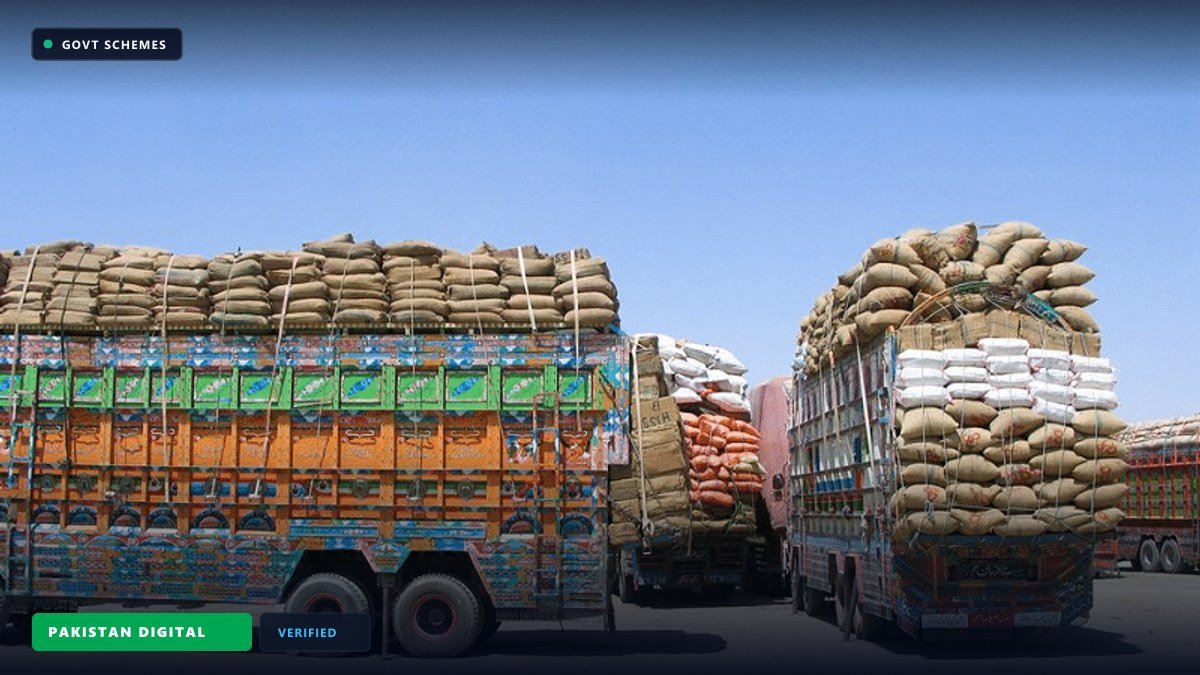
Pakistan has defended its decision to suspend bilateral and transit trade with Afghanistan, saying national security concerns outweigh the economic costs of keeping trade routes closed.
However, the Ministry of Commerce has acknowledged that the move has reduced exports by around $1 billion and disrupted access to Central Asian markets.
Secretary Commerce Jawad Paul told the National Assembly Standing Committee on Commerce on Wednesday that the suspension was necessary to prevent further loss of human lives.
The committee, chaired by Javed Hanif Khan, questioned the economic rationale behind the decision, particularly its impact on exports and regional connectivity.
Regional Trade Disruptions Cost Pakistan $387 Million The Commerce Secretary said Pakistan's total exports, including services, reached $40 billion in FY2025-26, while merchandise exports stood at approximately $32 billion.
He expressed confidence that merchandise exports would increase to $35 billion in FY2026-27, with average monthly exports currently standing at around $2. 9 billion.
He also expected remittances to reach $55 billion following discussions with the State Bank of Pakistan.
Pakistan has also incurred a trade loss of $387 million between July and October due to regional conflicts and disruptions, including the Iran-US war and restrictions affecting trade with Afghanistan and Iran.
Trade with Gulf countries has been affected, although the situation is gradually improving. Disruptions to shipping and higher port charges have increased costs for exporters, particularly those shipping meat and other commodities.
The government has arranged cargo vessels to facilitate supplies to Gulf markets.
Iran Sanctions Disrupt Cross-Border Trade The Commerce Secretary said international sanctions on Iran had made bilateral trade difficult because banks were reluctant to process transactions over fears of violating restrictions.
The government also closed the Gabd-Rimdan border crossing over sanctions-related concerns, although limited trade between Pakistan and Iran continues.
Some LPG consignments have arrived from Iran, but the possibility of supply disruptions remains a concern. LPG imports increased during July and October.
To facilitate exports to Central Asian countries through Iran, the government introduced an electronic form facility for Pakistani exporters.
A similar relaxation had been provided last year for orange and potato exports through Iran to protect Pakistani companies from potential sanctions-related risks.
Meanwhile, Pakistan's exports of oranges and potatoes have also suffered from disruptions to Afghan trade routes.
From an economic and commercial perspective, this development reflects dynamic market adjustments and regulatory coordination across Pakistan's financial and trade landscape.
Economic authorities, corporate oversight agencies, and market regulators maintain dedicated monitoring to stabilize commodity metrics, support corporate governance, and sustain investor confidence.
Strategic alignment between public fiscal measures and private sector initiatives remains central to boosting domestic industrial productivity and foreign exchange stability.
Financial analysts and market observers point out that transparent trading practices, formalized accounting frameworks, and reliable supply chains are essential components of long-term economic resilience.
Institutional investors and enterprise leaders are focusing on operational efficiency, digital financial technologies, and export diversification to navigate shifting macroeconomic conditions and global market pressures.
Business enterprises, institutional traders, and general consumers are advised to consult official regulatory notifications, verified market benchmarks, and authorized financial disclosures before finalizing major commercial decisions.
Official gazettes, state regulatory web portals, and certified commodity exchange records provide authentic references for transparent and compliant transactions.