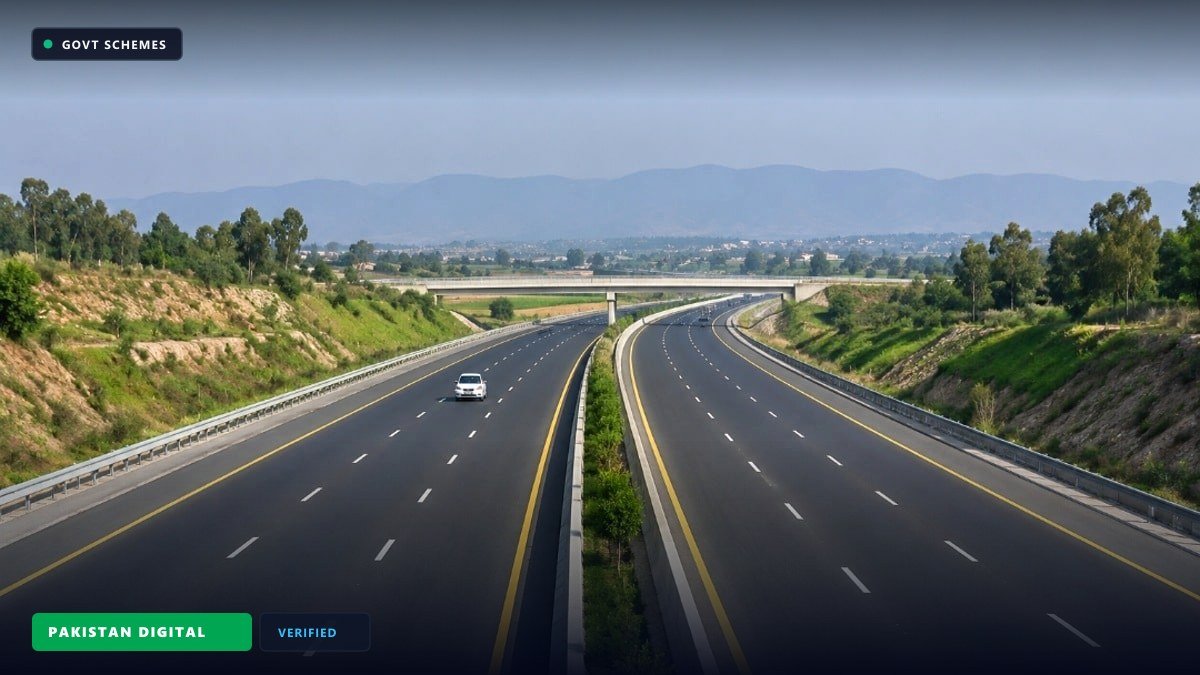
Federal Minister Ahsan Iqbal has highlighted plans for the Lahore–Sahiwal–Bahawalnagar Motorway, saying modern transport links can bring communities closer to markets and essential services.
The project includes a 295-kilometer motorway and an additional 18-kilometre road connecting Lahore Ring Road to Kasur through Raja Jang Interchange.
Iqbal said the road links could strengthen connectivity between Punjab’s key population centers and agricultural areas.
He highlighted their potential to improve regional access, facilitate passenger travel and support goods transport between communities and markets. Modern transport links can bring communities, markets and essential services closer together.
The project for the Lahore–Sahiwal–Bahawalnagar Motorway comprises a 295 km motorway, together with an 18 km road connecting Lahore Ring Road through Raja Jang Interchange to Kasur. Its… pic. twitter.
com/WHY8iLft8a — Ahsan Iqbal (@betterpakistan) November 15, 2026 Connectivity Under URAAN Pakistan Ahsan Iqbal linked the project to the Energy & Infrastructure pillar of URAAN Pakistan, the government’s economic transformation framework.
He highlighted the role of modern transport networks in supporting balanced regional development and stronger economic integration. The motorway project falls under the Public Sector Development Program (PSDP).
Original Approval and Rising Costs The motorway received approval in 2023, with a groundbreaking ceremony held in Kasur. Its original approved cost stood at Rs. 263,795. 863 million, or approximately Rs. 263. 8 billion.
An October 2026 report citing project documents put the revised estimate at Rs. 406. 914 billion, attributing the increase to higher construction prices. The report said the revised cost remained subject to approval.
Meanwhile, the project has drawn debate over federal funding priorities, particularly the allocation of federal development funds to a route within Punjab.
Public policy specialists and governance analysts view structured administrative initiatives as critical building blocks for institutional efficiency, social equity, and public welfare across Pakistan.
Coordinating policy execution across federal divisions, provincial secretariats, and local directorates ensures that state directives achieve tangible community benefits while maintaining strict operational transparency and budgetary accountability.
Administrative oversight bodies and public monitoring departments are actively deploying digitized service desks and computerized verification systems to streamline public service delivery.
By removing procedural bottlenecks and integrating transparent verification mechanisms, public institutions are working to ensure that civic facilities, developmental benefits, and state safeguards are accessible to all citizens without unnecessary bureaucratic hurdles.
Citizens and civic stakeholders are encouraged to rely on verified government gazettes, certified departmental web portals, and official facilitation counters for authoritative information.
Administrative directorates emphasize that public inquiries, official feedback, and grievance redressals can be registered directly through official departmental helplines and established public service portals.