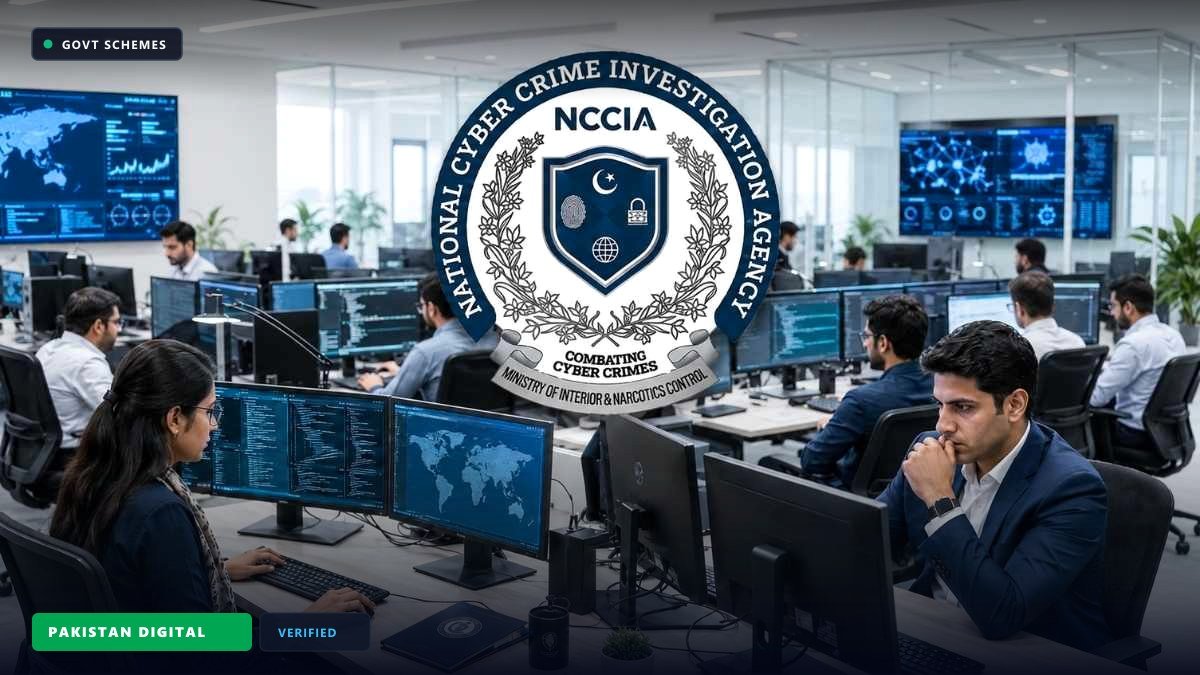
The Additional Director of the National Cyber Crime Investigation Agency (NCCIA) for Islamabad and Rawalpindi, Mohammad Shoaib Khan, has urged digital media journalists and social media users to avoid publishing news or posts that unjustifiably target individuals or oppose the state.
Speaking at a press conference, Khan called on users to avoid content that unjustifiably targets individuals, encourages online harassment or opposes the state. He described responsible reporting and publishing as a journalistic duty.
صحافتی ذمہ داری کا تقاضا ہے کہ ایسی کوئی خبر یا سوشل میڈیا پوسٹ نہ کی جائے جو کسی فرد کو بلاجواز نشانہ بنائے یا ریاست کے خلاف ہو۔ ایڈیشنل ڈائریکٹر این سی سی آئی اے اسلام آباد و راولپنڈی شعیب خان NCCIA CyberAwareness Islamabad pic. twitter.
com/XkruNJjFK4 — NCCIA (@NCCIAOFFICIAL) November 15, 2026 NCCIA Activates Nationwide Cyber Patrols Meanwhile, the NCCIA has activated cyber-patrolling operations across Pakistan to identify unlawful accounts and monitor digital platforms.
These operations aim to trace accounts involved in illegal activity, block links and detect defamatory or inappropriate material online.
Illegal Call Centers Face Crackdown Separately, the agency has conducted raids on illegal call centers across its Islamabad-Rawalpindi zone. The operations targeted centers linked to transnational online fraud, betting portals and loan apps.
The raids resulted in multiple arrests. However, the supplied information did not specify the number of suspects or identify those arrested.
How to Report Cybercrime Activities Citizens can report cybercrime complaints through the NCCIA’s nationwide helpline at 1799. The agency also provides an online portal for complaints.
Public policy specialists and governance analysts view structured administrative initiatives as critical building blocks for institutional efficiency, social equity, and public welfare across Pakistan.
Coordinating policy execution across federal divisions, provincial secretariats, and local directorates ensures that state directives achieve tangible community benefits while maintaining strict operational transparency and budgetary accountability.
Administrative oversight bodies and public monitoring departments are actively deploying digitized service desks and computerized verification systems to streamline public service delivery.
By removing procedural bottlenecks and integrating transparent verification mechanisms, public institutions are working to ensure that civic facilities, developmental benefits, and state safeguards are accessible to all citizens without unnecessary bureaucratic hurdles.
Citizens and civic stakeholders are encouraged to rely on verified government gazettes, certified departmental web portals, and official facilitation counters for authoritative information.
Administrative directorates emphasize that public inquiries, official feedback, and grievance redressals can be registered directly through official departmental helplines and established public service portals.