Live
Bitcoin (BTC)Rs. 18,650,000 +1.2%
Ethereum (ETH)Rs. 995,000 +0.8%
USDT/PKRRs. 282.50 +0.1%
Gold (24K)Rs. 455,300 +1.2%
USD/PKRRs. 278.40 -0.1%
PetrolRs. 373.78 -1.5%
BREAKINGGold (24K): Rs. 455,300 (+1.2%)
BREAKINGPetrol: Rs. 373.78 (Current)
BREAKINGKSE-100 Index: 74,250 (+0.4%)
BREAKINGPCB: Champions Trophy 2025 Schedule to be finalized next week
BREAKINGPunjab Announces New Fines for 26 Traffic Violations
BREAKINGPakistan Raises $250 Million Through First-Ever Panda Bond in Chinese Market
Business Fact Check: Verified

Gold Price in Pakistan Soars to Rs. 248,500 Today

E
Editorial Staff
| May 17, 2026|5 min read
Gold Price in Pakistan Soars to Rs. 248,500 Today
Business Feature • May 2026

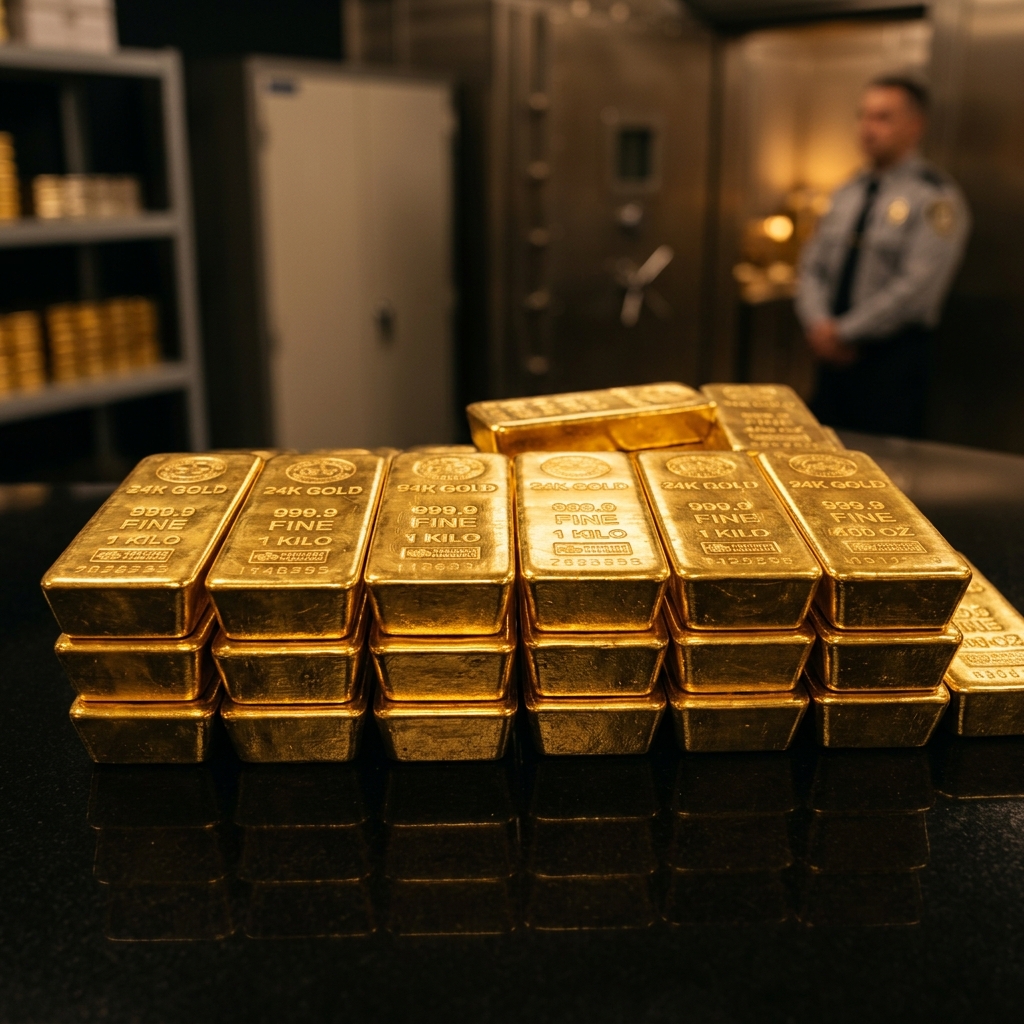
Representative image for the breaking development in Business sector. (Pakistan Digital Editorial)

Key Highlights

  • 1
    Per tola price of 24 karat gold increased by Rs. 2,000 to Rs. 248,500.
  • 2
    10-gram gold price also saw a surge of Rs. 1,714 to reach Rs. 213,048.
  • 3
    Global safe-haven demand and local currency fluctuations drove the price hike.

The bullion market in Pakistan has registered another significant movement as gold prices settled at Rs. 248,500 per tola for 24-karat gold. According to local market dealers, this price change reflects a +0.8% (increase) compared to the previous trading session, aligning with international metal market trends and domestic currency fluctuations. The updates were compiled by the All Pakistan Supreme Jewelers Association, showing similar adjustments in regional markets including Karachi, Lahore, Peshawar, and Multan. This pricing adjustment highlights the continuous volatility in the local commodities market, which is closely linked to macro-economic changes, central bank announcements, and physical demand patterns across the country's major urban centers. Analysts point out that seasonal trends, such as wedding seasons and local religious festivals, also contribute to the pricing trajectory in the local market, making it essential for retail buyers to track rates on a daily basis.

Gold has historically served as a critical inflation hedge in Pakistan. With the ongoing macroeconomic challenges, including currency depreciation and fluctuating consumer price indices, investors are increasingly turning to safe-haven assets. Retail jewelers in Karachi, Lahore, and Islamabad report stable consumer demand for pure gold bars, despite the pricing volatility. The local association of gold merchants noted that the local premium of 0.5% remains in effect to adjust for import costs and local market liquidity. This safe-haven buying is especially pronounced when the local rupee experiences depreciation against the US dollar, causing savers to convert cash reserves into physical bullion to protect their purchasing power over the long term. This constant domestic demand makes the commodity a central focus for portfolio diversification among seasoned investors, corporate treasuries, and general savers alike, who view physical metal as a solid safety net that holds its intrinsic value when paper assets decline. In Islamabad, Rawalpindi, and Peshawar, jewelry manufacturers are also seeing high transaction volumes as consumers seek certified 24-karat gold biscuits.

On the international stage, spot gold (XAU/USD) has experienced fluctuations due to central bank interest rate decisions, global economic forecasts, and geopolitical tensions. As the US dollar remains volatile against a basket of currencies, global commodities like gold are adjusting globally, which directly impacts the import parity price in Pakistan. Since Pakistan relies heavily on imports to meet its domestic bullion demand, international rate adjustments have an immediate flow-through effect on local prices. Federal Reserve monetary policies, US inflation rates, and geopolitical shifts in Europe and the Middle East continue to drive international investors toward gold, which subsequently pushes up the import costs for local dealers in the Pakistani market. Any changes in international maritime logistics, shipping freight charges, or regional insurance premiums also quickly manifest as localized markup adjustments that consumers must absorb at the retail level. This global connection makes gold prices highly dynamic and sensitive to external news.

In addition to 24-karat gold, the rate for 22-karat gold—which is predominantly used for crafting jewelry—was also adjusted proportionally in the local market. Jewelers note that while investors prefer 24-karat bullion bars for savings, the wedding season continues to drive steady demand for 22-karat ornaments. Dealers emphasize that consumers should always verify the daily official rates issued by their respective city's association before making transactions to avoid paying excessive premiums. The retail market also factors in labor charges (making charges) and wastage rates, which can vary significantly between different cities and individual retailers, necessitating careful comparison by prospective buyers. It is also recommended to demand a formal invoice detailing the exact gold weight, purity, and labor costs to ensure legal security and transparency for future resale purposes or valuation checks. Many local jewelry associations are working with provincial regulatory departments to implement standard hallmarking practices to protect buyers from fraud.

Silver rates (Chandi) in the local bullion market have also shown minor adjustments in tandem with the gold price movement. Historically, silver has followed gold's trajectory, although with higher relative volatility due to its dual status as both an industrial metal and a monetary asset. Local silver demand remains driven by traditional jewelry manufacturing and religious occasions, with prices adjusting according to international silver spot rates and domestic supply constraints. Financial experts suggest that silver presents an alternative entry point for smaller retail investors who want exposure to precious metals without the high capital requirements associated with gold purchases. Silver's expanding use in green technologies globally, such as solar panels and electrical vehicles, also supports its long-term commodity value, making it an attractive low-cost asset for retail savers looking for capital appreciation.

Looking ahead, financial analysts predict that gold rates will continue to react to international benchmarks and local economic indicators in the coming weeks. Factors such as the State Bank of Pakistan's monetary policy decisions, import regulations, and the performance of the Pakistani Rupee against the US Dollar will play a crucial role. Investors are advised to monitor these indicators closely and consult reputable wealth advisors before committing large sums of capital to the precious metals market. Any stability in the exchange rate or positive outcome in foreign remittance inflows could help stabilize the local price of gold, whereas external economic shocks, fiscal adjustments in the annual budget, or sudden currency devaluations could drive prices to new record heights. Many analysts recommend buying gold in increments to average out the cost basis during periods of high economic uncertainty. Establishing a disciplined investment approach and working with certified bullion dealers remain key recommendations for long-term wealth preservation.

Pakistan Digital

© 2026 Pakistan Digital (Pvt) Limited. All rights reserved. Registered in Islamabad. Pakistan's most trusted independent editorial news engine.