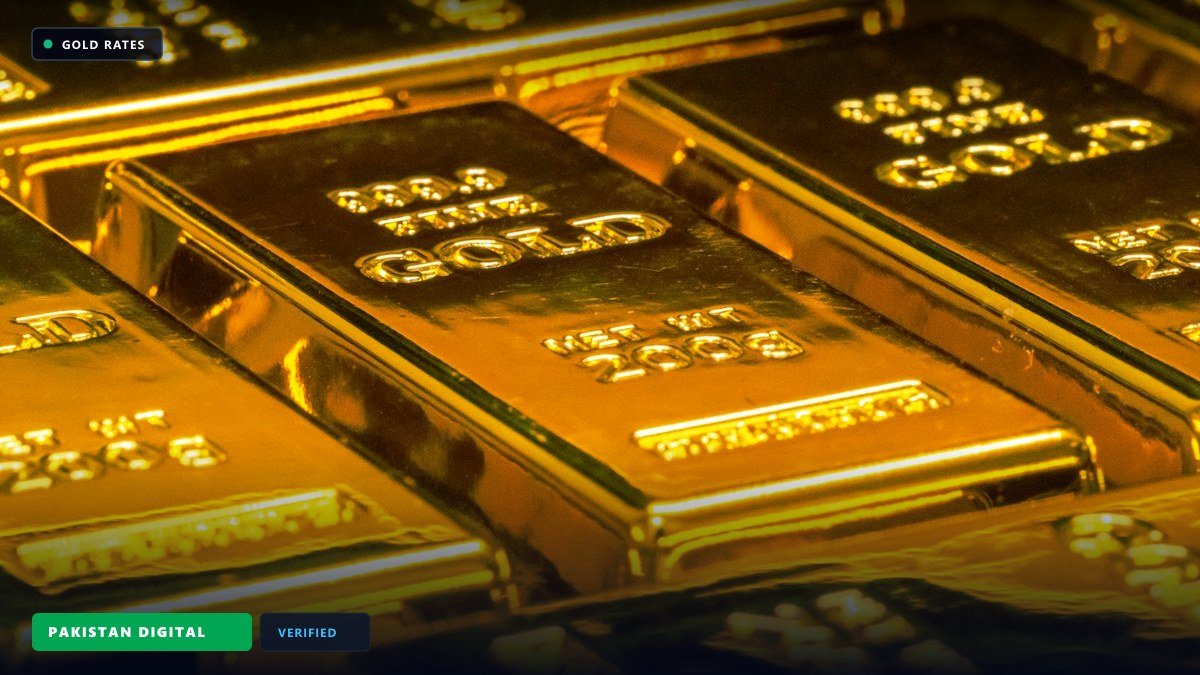
The domestic bullion market in Pakistan recorded active trading for pure 24-karat gold on November 8, 2026, with official rates benchmarked across Karachi, Lahore, Islamabad, and Peshawar Sarafah centers.
Pure 24K gold and 22K jewelry gold traded in close synchronization with international commodities exchange bullion metrics.
The domestic bullion sector across Pakistan operates in close synchronization with global precious metals exchanges, where spot gold valuations are benchmarked against international macroeconomic shifts, currency fluctuations, and institutional sovereign reserve buying.
Local sarafah associations in Karachi, Lahore, Rawalpindi, and Peshawar calibrate daily opening and closing rates to reflect spot bullion movements alongside official interbank foreign exchange parity metrics.
Financial commodity analysts note that domestic retail gold demand serves a dual economic role as both traditional cultural jewelry and a reliable liquid hedge against currency depreciation and inflationary pressures.
Market participants closely monitor federal import policies, central bank interest rate directions, and international geopolitical developments that influence precious metals liquidity and institutional hedge fund allocations.
The All Pakistan Supreme Jewelers Association and regional trade syndicates advise retail consumers, gold investors, and corporate buyers to insist on computer-generated verifiable receipts, accurate karat testing certifications, and official hallmark stamps when conducting precious metal transactions.
Maintaining verified transaction records protects consumer value and ensures complete compliance with national commodity trading standards.
Institutional heads and public sector planners emphasize that sustainable implementation requires consistent monitoring, computerized tracking, and inter-departmental synergy.
Regional administrative offices have been instructed to establish dedicated focal desks to ensure seamless operational continuity, address public feedback, and mitigate potential execution challenges promptly.
This structured approach aims to foster institutional excellence and accountability across all operational milestones.
Civil society representatives, independent analysts, and community stakeholders continue to monitor these developments to verify that administrative commitments align with measurable ground-level outcomes.
Citizens are encouraged to maintain active civic awareness, follow accredited institutional updates, and consult certified departmental channels for authenticated guidelines, legal circulars, and official support.
Looking ahead, technical experts and departmental directors anticipate that ongoing structural realignments will generate positive compounding dividends over subsequent fiscal quarters.
Institutional stakeholders emphasize that maintaining proactive engagement between public regulators, industrial bodies, and civic consumer groups remains essential for achieving sustainable growth metrics.
The overarching priority remains centered on institutional efficiency, citizen convenience, and transparent service delivery across all administrative touchpoints.
The domestic bullion sector across Pakistan operates in close synchronization with global precious metals exchanges, where spot gold valuations are benchmarked against international macroeconomic shifts, currency fluctuations, and institutional sovereign reserve buying.
Local sarafah associations in Karachi, Lahore, Rawalpindi, and Peshawar calibrate daily opening and closing rates to reflect spot bullion movements alongside official interbank foreign exchange parity metrics.
Financial commodity analysts note that domestic retail gold demand serves a dual economic role as both traditional cultural jewelry and a reliable liquid hedge against currency depreciation and inflationary pressures.
Market participants closely monitor federal import policies, central bank interest rate directions, and international geopolitical developments that influence precious metals liquidity and institutional hedge fund allocations.
The All Pakistan Supreme Jewelers Association and regional trade syndicates advise retail consumers, gold investors, and corporate buyers to insist on computer-generated verifiable receipts, accurate karat testing certifications, and official hallmark stamps when conducting precious metal transactions.
Maintaining verified transaction records protects consumer value and ensures complete compliance with national commodity trading standards.