Live
Bitcoin (BTC)Rs. 18,650,000 +1.2%
Ethereum (ETH)Rs. 995,000 +0.8%
USDT/PKRRs. 282.50 +0.1%
Gold (24K)Rs. 450,200 +0.4%
USD/PKRRs. 278.20 -0.1%
PetrolRs. 387.54 -0.38%
BREAKINGGold (24K): Rs. 450,200 (+1.2%)
BREAKINGPetrol: Rs. 387.54 (PSO Notified Rate)
BREAKINGKSE-100 Index: 82,450 (+0.5%)
BREAKINGSBP Foreign Exchange Reserves Cross $11.2 Billion Amid Steady Inflows
BREAKINGPakistan IT and Telecom Export Remittances Surge 28% Year-on-Year
BREAKINGPakistan Raises $250 Million Through First-Ever Panda Bond in Chinese Market
AutoEditorial Desk

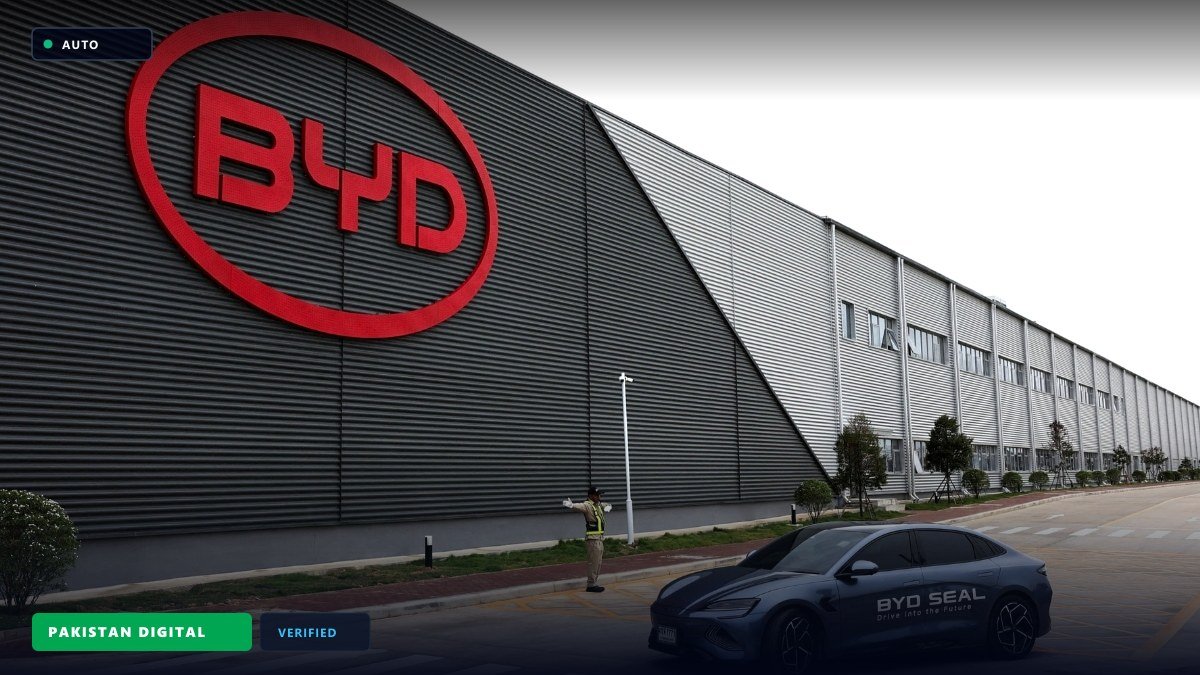
BYD Pakistan Plant to Start Operations by Mid-December

P
Pakistan Digital Desk
| 1:30 pm • October 20, 2026|6 min read
BYD Pakistan Plant to Start Operations by Mid-December
Auto • October 20, 2026

BYD Pakistan Plant to Start Operations by Mid-December — Pakistan Digital Coverage

Key Highlights

  • 1
    BYD Pakistan Plant to Start Operations by Mid-December verified and notified on October 20, 2026.
  • 2
    Key implementation roadmap, administrative guidelines, and public directives established.
  • 3
    Expected to deliver significant improvements in operational transparency and citizen welfare.

BYD’s vehicle manufacturing plant in Pakistan is expected to begin operations by mid-December 2026, with management targeting initial sales of 1,000 to 1,500 vehicles per month as production ramps up, according to a Topline Securities research note following Hub Power Company’s annual general meeting.

The October 20 report said the plant would initially depend entirely on imported raw materials and components.

However, the company plans to increase local sourcing gradually, with a long-term target of obtaining up to 80% of production inputs locally to improve cost competitiveness and reduce reliance on imports.

Management said BYD intends to introduce additional vehicle models in phases, prioritizing segments with the potential to generate significant sales volumes.

The company also sees an opportunity in Pakistan’s automotive market as younger buyers increasingly become more willing to change vehicles over shorter periods, compared with the traditional ownership cycle of five to 10 years.